
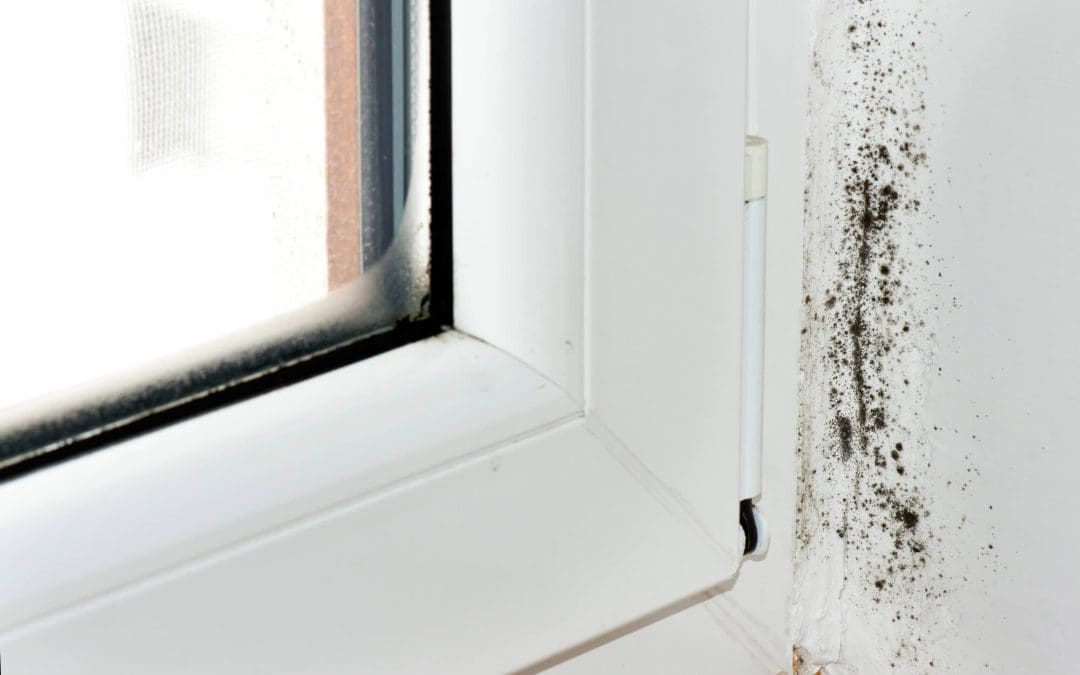
Mold establishes quietly in spaces that don’t get much attention, communicates through subtle signals that homeowners dismiss or attribute to something else, and grows steadily until conditions force an obvious confrontation. By the time mold is unmistakable, it’s usually well past the stage where simple surface cleaning resolves it. Learning to recognize the early signs of mold is what allows homeowners to respond before remediation becomes significantly more complex and expensive.
Why Moisture Is the Real Problem to Solve
The signs of mold are rarely just about the mold itself. They’re almost always signaling a moisture condition, a leak, a ventilation problem, condensation on a cool surface, or exterior water intrusion that created the environment mold needs to grow. Addressing visible mold without addressing the underlying moisture is the most common reason mold returns after what appears to be a successful cleanup. The question that should drive your response isn’t just “where is the mold?” but “what moisture condition is sustaining it?” The signs of mold are a symptom; the moisture is the disease. Correct the source, and the problem becomes manageable. Leave it in place, and no amount of cleaning produces a lasting result.
Visual Signs of Mold and What They Indicate
Visible mold is the most obvious sign, but its appearance communicates more than just its presence, color, pattern, and location each indicate the duration of the problem and the likelihood of hidden growth behind visible surfaces. Dark spots on grout lines, caulk, wall surfaces, or ceilings are the most commonly noticed signs of mold. Mold on non-porous materials like tile is often early-stage and responds to cleaning combined with moisture correction. Mold on drywall or wood almost always indicates growth that extends beyond the visible surface into the material itself. Paint or wallpaper that is bubbling or peeling often signals moisture accumulation behind the surface, where mold grows hidden until deterioration gives it away. Water staining, even when dry, is a mold risk indicator if the moisture source was never corrected. The stain’s appearance is evidence that water reached that surface and potentially went further.
Signs of Mold Most Homeowners Dismiss
The musty, earthy odor most people associate with mold is one of the most reliable signs of mold before any visual evidence appears. It’s produced by microbial volatile organic compounds released during active mold metabolism, most noticeable when entering a room after it’s been closed, or in spaces with limited circulation like closets, basements, and crawl spaces. Health symptoms that improve when leaving the home and return upon re-entry are meaningful signs of mold even without visible growth. Persistent nasal congestion, eye irritation, headaches, or worsening respiratory conditions that correlate with time at home deserve investigation rather than dismissal. Individual sensitivity varies widely, which is why one household member may experience symptoms while others don’t. A professional mold inspection with air sampling provides objective data even when no visual signs of mold have been found.
Frequently Asked Questions (FAQs)
How do I tell the difference between mold and mildew?
Mildew appears flat and powdery and grows on the surface of damp materials without penetrating deeply. Mold tends to be fuzzy or raised, appears in a wider range of colors, and penetrates porous materials rather than colonizing the surface. Both respond to the same moisture conditions, but mold represents a more serious structural and health concern. If you’re uncertain which you’re dealing with, treat the area as potential mold until a professional assessment confirms otherwise.
Can signs of mold be present without any visible growth?
Yes. Musty odors, health symptoms, and elevated moisture readings all indicate mold-favorable conditions or active growth that hasn’t yet reached a visible surface. Mold growing inside wall cavities, beneath flooring, or within HVAC ductwork produces spores and compounds that enter the living space without any surface evidence. A professional inspection with moisture meters and air sampling identifies these hidden conditions.
When should I call a professional versus cleaning signs of mold myself?
Small, isolated surface mold on non-porous materials can often be cleaned with appropriate protective gear and a diluted bleach or commercial mold cleaner. Signs of mold on porous materials like drywall or wood, coverage over ten square feet, a musty odor in a wide area, or mold in HVAC systems warrant professional remediation. Improper cleanup spreads spores to previously unaffected areas, making DIY attempts on significant problems counterproductive.
How quickly can mold develop once moisture is present?
Mold can begin establishing within 24 to 48 hours of sustained moisture exposure. This is why prompt, thorough drying after any water intrusion event is so critical. Building materials that remain wet for more than 48 hours should be assessed for mold risk even if no visual signs of mold are yet present.
Does visible mold on the surface mean there’s more hidden behind it?
Often yes, particularly when signs of mold appear on drywall, wood, or other porous materials. Mold follows moisture, and moisture in a wall cavity creates growth conditions throughout the wet material, not just on the surface. A small visible patch on painted drywall frequently indicates more extensive growth on the paper backing and framing behind it.
A Plus Inspections of Texas provides home inspections and mold assessments in Conroe, TX, and surrounding areas. Contact us to schedule an appointment.