
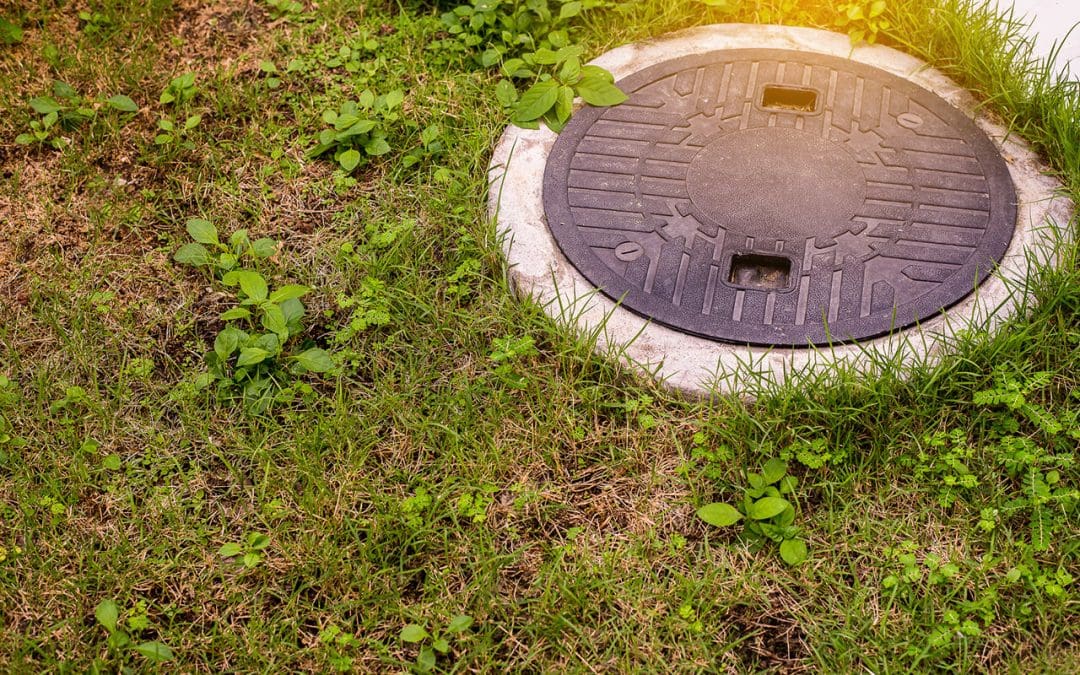
A septic system that is properly maintained can serve a home reliably for decades. One that is neglected produces the kind of failure that means excavating the yard, replacing the drain field, and writing a check that makes every previous pumping fee look modest by comparison. Understanding the basics of septic tank maintenance, what the system requires to function correctly, and what homeowners should never put into it is the knowledge that keeps an out-of-sight system from becoming an out-of-control problem.
How the System Works and Why Maintenance Matters
A septic system has two primary components: the tank and the drain field. Wastewater enters the tank, where solids settle as sludge, grease and lighter materials float as scum, and the liquid layer in the middle flows out to the drain field where it filters through the soil. The septic tank maintenance process keeps this system functioning by managing the sludge and scum layers so they don’t accumulate to the point where they overflow into the drain field. When solid waste reaches the drain field, because the tank was never pumped and the sludge had nowhere left to go, it clogs the soil and the drain field fails. Drain field failure is the most expensive septic system repair, requiring full excavation and replacement at a cost that dwarfs years of routine pumping fees. Septic tank maintenance is a simple economics problem: spend a modest amount regularly or spend a significant amount once when neglect catches up.
The Pumping Schedule That Defines Good Septic Tank Maintenance
Pumping is the central task, removing accumulated sludge and scum before they encroach on the liquid zone and compromise the system’s function. The general recommendation for most households is to have the tank pumped every three to five years, though the appropriate interval depends on tank size, the number of occupants, and daily water and waste volume. A household with more occupants, a smaller tank, or heavy water use requires more frequent pumping. A septic professional who pumps the tank can assess the sludge and scum accumulation and recommend an interval appropriate for the specific system rather than a generic schedule that may not fit the actual usage pattern.
What Not to Put Down the Drain — and Why It Affects Septic Tank Maintenance
The biological environment inside the septic tank is the mechanism that makes the system work, and protecting it is a core principle of septic tank maintenance. Antibacterial soaps, bleach, chemical drain cleaners, and disinfectants in large quantities could disrupt the bacterial activity that keeps solids breaking down between pump cycles. Non-biodegradable materials, wipes labeled as flushable, feminine hygiene products, dental floss, and paper towels don’t break down in the tank and accumulate faster than organic waste. Grease in particular is the drain field’s most consistent enemy: it coats the soil and reduces its filtering capacity over time. The principle that governs what goes into the system is simple: the only things that should enter a septic system are water, human waste, and toilet paper.
Frequently Asked Questions (FAQs)
How do I know when my septic tank needs to be pumped?
The most reliable approach is following a schedule based on household size and tank capacity rather than waiting for symptoms, because symptoms indicate the system is already under stress. Slow drains, gurgling plumbing, sewage odors near the drain field, and unusually green grass over the drain field all indicate the tank is past due and the system may already be experiencing overflow. Routine maintenance on a proactive schedule prevents these symptoms from appearing.
How long does a septic system last with proper maintenance?
A well-maintained septic tank can last 40 years or more. The drain field typically lasts 25 to 30 years when the tank is pumped on schedule, and the system receives only appropriate inputs.
Can I use additives to extend the time between pump cycles?
Septic tank additives, like bacterial boosters or enzyme treatments, are widely available but not reliably effective as a substitute for pumping. A healthy septic system already contains the bacterial community it needs; most additives provide bacteria that are redundant to what’s already present. No additive removes sludge from the tank; only physical pumping does that.
What should I do if I notice sewage odors near my drain field?
Contact a licensed septic professional promptly. Sewage odors near the drain field indicate effluent is reaching the surface rather than filtering through the soil, a condition representing both system failure and a health hazard. The cause may be an overdue tank, a clogged distribution box, or damaged drain field lines. A professional assessment identifies the specific cause and appropriate repair, which is significantly less expensive if addressed before the condition worsens.
Does heavy rain affect my septic system?
Yes, heavy rainfall saturates the soil around the drain field, reducing its capacity to absorb and filter effluent. During periods of heavy rain, reducing indoor water use gives saturated soil time to recover before additional effluent is added. In areas with consistently high rainfall or high water tables, more frequent septic tank maintenance may be appropriate because the drain field is under greater environmental stress than in drier conditions.
A Plus Inspections of Texas provides home inspections and mold assessments in Conroe, TX, and surrounding areas. Contact us to schedule an appointment.