
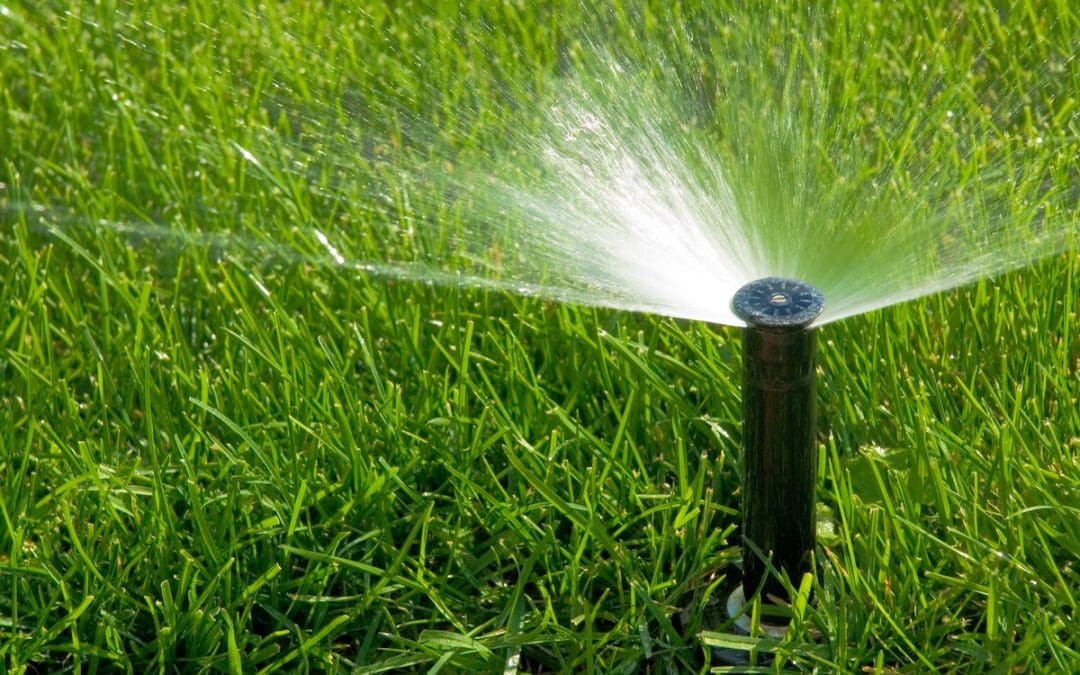
A well-maintained sprinkler system keeps your lawn green and your water bill reasonable, while a neglected one wastes thousands of gallons and could damage your landscaping. In the Woodlands and across Montgomery County, hot summers and the occasional hard freeze put real stress on irrigation equipment. You can prevent most problems with a few simple checks each season. Here is how to understand your system, spot common problems, and set it up to water efficiently year-round. Because a sprinkler system works out of sight, small problems can run for months before you notice them.
Know What Is in Your Sprinkler System
Take a walk through your yard and locate the main components. Most systems include a controller, a backflow preventer, zone valves, buried pipes, and a mix of spray heads and rotors. The controller sets the schedule, the valves open each zone in turn, and the heads distribute water across the lawn and beds. Find the shutoff valve and the backflow preventer, because you will need them for maintenance and in an emergency. Understanding the layout makes it far easier to spot trouble and talk to a technician if you need help. Take photos of the controller settings and valve locations, and keep a simple map of your zones. If you ever need to shut off water in a hurry, you will be glad you know where everything is.
Check for Leaks and Broken Heads
Run each zone of your sprinkler system one at a time and watch for trouble. Look for geysers, soggy spots, or dry patches, and for heads that are tilted, clogged, or broken. A head sprayed by a mower or a car tire is one of the most common culprits. Replacing a damaged head is inexpensive and takes only a few minutes. Also check the water meter when everything is off. If the dial still moves, you may have a hidden leak underground that is costing money every day. Check the spray patterns, too. A pattern that is weak or uneven can mean clogged nozzles or low pressure. Pull the nozzle, rinse out debris, and reinstall it. Adjust the arc and radius so water lands on the lawn rather than the sidewalk, driveway, or house siding, which may cause staining and wood damage.
Set a Schedule That Saves Water
Most lawns need about one inch of water per week, including rainfall. Water deeply and less often in the early morning, when evaporation and wind are lowest. Adjust the schedule through the seasons, and use a rain sensor or a smart controller to skip cycles after storms. Avoid watering in the middle of the day or in the evening, which wastes water and encourages fungus. A well-tuned sprinkler system can cut outdoor water use by a third or more, which adds up quickly during a Texas summer. Different areas have different needs. Shady zones and slopes often need less water than sunny flat areas, so don’t apply the same time to every zone. Check your local watering rules too, since many communities limit the days and hours you can run your system.
Protect Your Sprinkler System From Freezing Weather
Texas cold snaps can crack exposed pipes and backflow devices. Before a hard freeze, turn off the controller or switch it to rain mode, shut off the water supply to the system, and cover the backflow preventer with an insulated bubble or pouch. Drain exposed lines if you can. Keep an eye on the forecast, because freezes can arrive suddenly. After the weather warms, restart the system gradually and walk the yard to look for new leaks. Our inspectors also offer sprinkler inspections for buyers who want a closer look. It is also wise to inspect exposed pipes and fittings for cracks before the next season. A small repair now beats a flooded yard later, and it keeps your system ready when spring arrives.
Frequently Asked Questions (FAQs)
How often should I have my sprinkler system inspected?
Have it checked at least once a year, ideally in spring before heavy use. Early inspections catch leaks and broken heads before your bill climbs.
Why is my sprinkler system not reaching all areas?
Clogged nozzles, low pressure, or misaligned heads are common causes. Cleaning or adjusting the heads often solves the problem.
Do I need to winterize my sprinkler system in Texas?
Not always, but you should protect exposed parts during hard freezes. Insulate the backflow preventer and shut off the water before extreme cold. Winter weather in Texas is unpredictable, so it is best to be prepared.
How long does a sprinkler system last?
Many systems last twenty years or more with good care. Heads, valves, and controllers may need replacement sooner.
What is a backflow preventer?
It is a device that keeps lawn water from flowing back into your drinking water. Most areas require it to be tested periodically by a licensed professional.
A Plus Inspections of Texas provides home inspections in Conroe, TX, and surrounding areas. Contact us to schedule an appointment.