
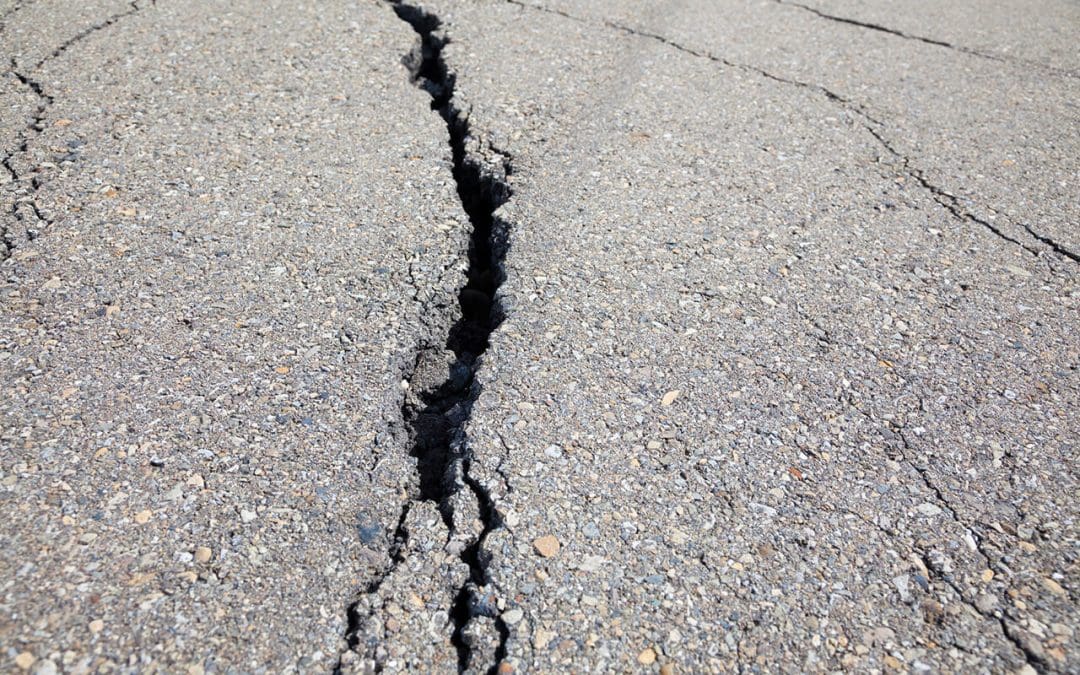
Your driveway takes more abuse than almost any other surface on your property. Constant vehicle traffic, freeze-thaw cycles, tree root intrusion, water infiltration, and years of UV exposure all take their toll. Driveway problems tend to start small and grow quickly, and the ones homeowners ignore in spring often become significantly more expensive repairs by fall. Knowing how to identify what you’re dealing with and respond appropriately is the key to protecting your driveway investment and your home’s curb appeal.
Understanding What’s Behind Your Driveway Problems
Not all driveway damage is the same, and treating the symptom without understanding the cause is one of the most common reasons repairs fail prematurely. A crack that reappears two months after being filled isn’t a problem with the filler; it’s a problem with whatever is causing movement or stress beneath the surface. The two most common driveway materials, asphalt and concrete, share some failure modes but have distinct characteristics that influence how they deteriorate and how repairs should be approached. Understanding which material you have is the starting point for addressing any driveway problem effectively.
Common Driveway Problems and What Causes Them
Cracking is the most universal driveway problem across both surfaces, but the type of crack matters. Hairline cracks in concrete are often surface shrinkage cracks that are generally cosmetic. Wider cracks with vertical offset indicate movement in the base or subsurface settlement that needs addressing before the crack is repaired. In asphalt, alligator cracking, interconnected cracks resembling reptile skin, signal base failure rather than surface wear. This type of driveway problem can’t be resolved with crack filler alone; it requires removing and replacing the affected section or a full overlay. Potholes form when water enters cracks, softens the base, and traffic completes the damage. They’re far easier to repair when caught early, before the void beneath expands. Heaving and settlement, sections that have risen or sunk relative to each other, typically indicate soil movement, poor drainage, or tree root intrusion. These driveway problems require addressing the underlying cause before surface repairs have any hope of lasting.
DIY Repairs That Work and When to Call a Professional
For minor driveway problems, DIY repair is practical and cost-effective. Small cracks in asphalt up to about half an inch wide can be filled with liquid asphalt crack filler. Concrete, polyurethane, or epoxy crack filler provides a durable, flexible repair. In both cases, clean the crack with a wire brush or pressure washer before filling and allow it to dry completely. Pothole repair in asphalt can be done with cold-patch compound for temporary repairs or hot-mix asphalt for more permanent results. Compact the patch thoroughly; under-compacted repairs fail quickly. Professional help is warranted for widespread cracking, base failure, significant heaving, or drainage issues feeding ongoing damage. A contractor can assess whether resurfacing, applying a new wearing surface over a structurally sound base, is appropriate, or whether full replacement is the only lasting solution.
Sealing and Prevention: Getting Ahead of Future Driveway Problems
Sealcoating an asphalt driveway every two to four years is one of the best preventative investments available. A quality sealer replenishes the oils that keep asphalt flexible, protects against UV oxidation and water infiltration, and extends the surface’s useful life significantly. New asphalt should cure for at least six months before the first sealing. Concrete driveways also benefit from sealing with penetrating concrete sealer applied every three to five years, reducing water absorption and freeze-thaw damage. Beyond sealing, managing drainage is the single most effective long-term prevention strategy. Water that pools on or beside the driveway is the primary driver of most driveway problems over time. Proper grading and clear drainage channels protect the surface from the damage that moisture causes.
Frequently Asked Questions (FAQs)
How do I know if my driveway needs repair or full replacement?
Localized damage, such as isolated cracks, a pothole or two, and minor surface wear, is generally repairable. Widespread alligator cracking in asphalt, multiple sections with heaving, or concrete with significant structural cracking throughout are signs that replacement may be more cost-effective than continued repairs. A paving contractor can give an honest assessment of which makes more financial sense.
What’s the best time of year to fix driveway problems?
Late spring through early fall is the ideal window for most climates. Asphalt crack filler and sealcoating products require temperatures above 50°F to cure properly, and concrete repairs also benefit from moderate temperatures and low humidity. Avoid sealing or filling cracks when rain is expected within 24 hours or temperatures will drop significantly overnight.
Can tree roots cause driveway problems?
Yes, and they’re one of the most frustrating sources of ongoing damage because repairs fail repeatedly until the root cause is addressed. Tree roots seeking moisture grow beneath driveway surfaces and create upward pressure that cracks and heaves sections. Solutions range from root barriers to tree removal in severe cases. Simply repairing the surface without addressing root intrusion will produce the same damage again within a few years.
How long does driveway sealcoating last?
A quality sealcoating application typically lasts two to four years under normal residential traffic, depending on climate and product quality. Applying sealer too frequently causes product buildup that peels and accelerates deterioration. When water no longer beads on the surface and asphalt appears gray and oxidized, it’s time to reseal.
Is it worth repairing a driveway before selling a home?
In most cases, yes. Driveway problems are highly visible and create an immediate negative impression on buyers. A cracked or deteriorating driveway signals neglect and can undermine buyer confidence before they’ve set foot inside. The cost of crack filling, patching, and a fresh sealcoat is modest compared to the curb appeal improvement it delivers.
A Plus Inspections of Texas provides home inspections in Conroe, TX, and surrounding areas. Contact us to schedule an appointment.