
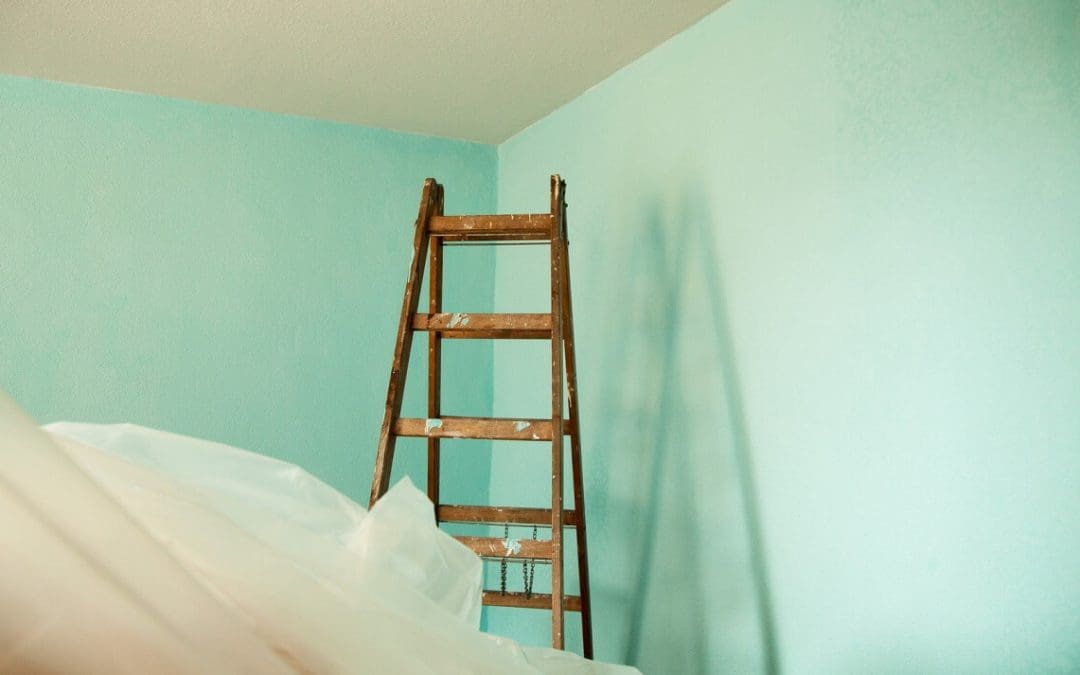
The right painting tips make the difference between a paint job that looks professional and one that looks amateur. Interior painting is a skill that responds almost entirely to preparation, technique, and product selection. The tips that experienced painters rely on are learnable, repeatable, and applicable to every room in the house. Whether you’re tackling a bedroom, refreshing a kitchen, or repainting trim throughout the home, the fundamentals that produce good results are the same.
The Painting Tips That Matter Before the Brush Touches the Wall
The most important painting tips happen before painting begins. Preparation is where quality is determined. Cleaning the walls is a step most first-time painters skip, and most experienced painters never do. Grease, dust, and household film prevent paint from bonding correctly; the paint may go on smoothly, but adhesion is compromised in ways that show up weeks later as peeling. A wipe-down with a damp cloth or mild cleaning solution removes the contamination that would otherwise sit between the wall and the new paint. Patching and sanding directly affect final appearance. Nail holes, dents, and surface irregularities barely visible on an unpainted wall become pronounced under fresh paint, particularly in rooms with strong raking light. Filling every imperfection with lightweight spackle, allowing it to dry, and sanding it flush before priming removes the inconsistencies that a coat of paint highlights rather than hides. Taping and protecting surfaces is what most people do but do imperfectly. Painter’s tape applied to trim, outlet covers removed entirely, and drop cloths covering floors and furniture completely, these precautions separate a clean result from one with drips and smears requiring touch-up after the fact.
The Application Tips That Produce Clean, Consistent Results
With preparation complete, technique makes the visible difference. Rolling in a W or M pattern rather than parallel lines distributes paint more evenly and eliminates the lap marks parallel rolling often produces. Working in sections of roughly three by three feet, keeping a wet edge to blend each section before it dries, and maintaining consistent roller pressure throughout prevents the uneven texture that characterizes an amateur application. Cutting in before rolling, painting edges along trim, ceilings, and corners with a brush, most directly affects edge quality. Using a quality angled brush held at a slight angle and moving in a steady, controlled stroke produces a clean line that a roller can approach without leaving a visible brush-roller boundary. Cutting in and rolling the same section on the same day, while the cut-in paint is still slightly tacky, blends both methods rather than leaving a visible seam. Two coats are almost always necessary. A single coat that looks covered when wet often shows thin patches or underlying color when dry. The painting tip that prevents frustration is to plan for two coats from the beginning rather than hoping one will suffice.
Painting Tips for Trim and Ceilings
Trim and ceilings require the same preparation fundamentals but different application techniques. Trim paint benefits from slow, deliberate brush strokes. Semi-gloss reveals brush marks more readily than flat wall paint, which means patience is the specific painting tip that separates sharp-looking trim from rushed trim. Allowing wall paint to dry fully before painting adjacent trim prevents the smearing that creates additional touch-up work. Ceiling paint applied with an extension roller keeps the painter on the ground, avoiding constant ladder repositioning and producing more consistent pressure and a more uniform result. Rolling the ceiling before the walls means any drips land on unpainted surfaces rather than fresh wall paint.
Frequently Asked Questions (FAQs)
What type of paint finish should I use in each room?
Flat or matte finishes work best for ceilings and low-traffic walls where hiding imperfections is the priority. Eggshell is the workhorse finish for most living areas and bedrooms. Satin suits higher-traffic areas and hallways where walls need more frequent cleaning. Semi-gloss is standard for trim, doors, and kitchen and bathroom walls. Gloss is reserved for trim that needs to make a statement or surfaces taking significant daily contact.
Do I need to use primer?
Primer is necessary when painting over bare drywall or bare wood, when painting a lighter color over a dark one, when covering a stain that bleeds through paint, and when repainting a surface that has never been painted. Paint-and-primer-in-one products work for painting over existing paint in similar sheen levels, but they don’t replace dedicated primer in the situations above.
How do I get clean paint lines without tape bleeding through?
Press the tape firmly along the full edge before painting. A thin coat of the same color already on the surface applied along the tape edge and allowed to dry seals the tape and prevents bleed. Remove tape while the paint is still slightly wet at a 45-degree angle away from the painted surface for the cleanest edge.
What’s the best way to store leftover paint?
Strain leftover paint before storing, then seal the lid tightly; placing plastic wrap under the lid creates a better seal than the lid alone. Store the can upside down so the paint creates its own seal. Keep it in a temperature-stable location and label with the room, color name, brand, and date. Properly stored latex paint lasts two to five years; oil-based paint lasts up to fifteen years.
How do I avoid lap marks and roller lines in the finished paint?
Lap marks form when a section dries before the adjacent section is applied. The painting tips that prevent them are maintaining a wet edge, always working back into unpainted areas before any section dries, and not overloading the roller, which produces thick edges that dry faster than the center. Working in manageable sections and keeping room temperature moderate both reduce lap mark formation significantly.
A Plus Inspections of Texas provides home inspections and mold assessments in Conroe, TX, and surrounding areas. Contact us to schedule an appointment.