
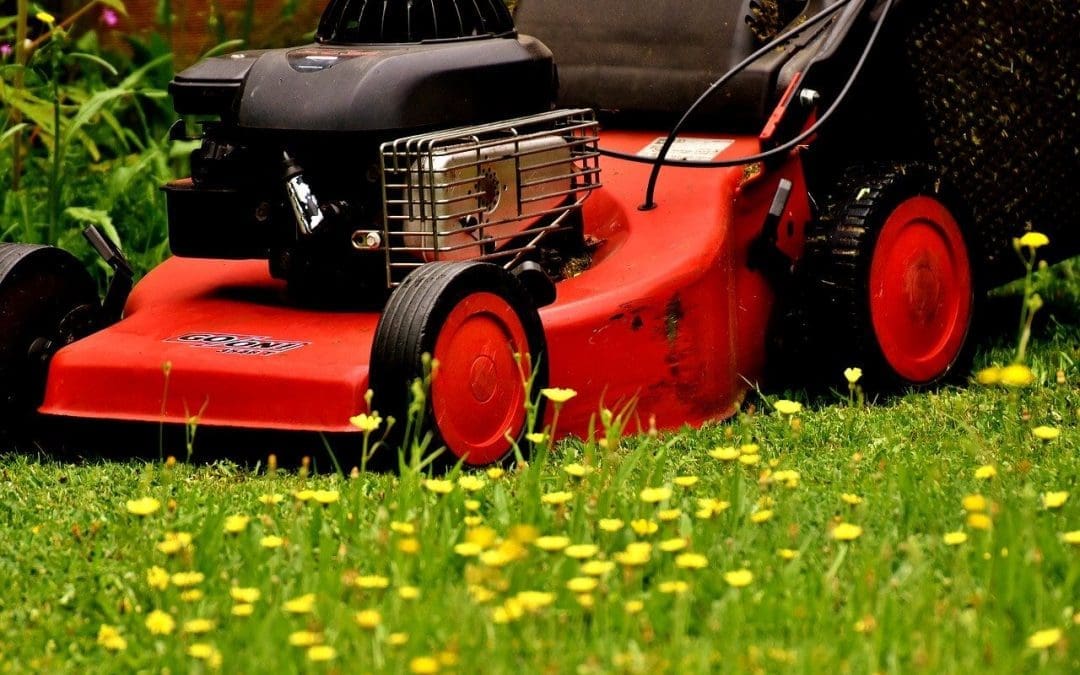
A well-mowed lawn is one of the simplest and most effective ways to boost your home’s curb appeal. Mowing your lawn the right way, at the right time, and with the right equipment makes a noticeable difference in how healthy and attractive your grass looks throughout the growing season. These practical tips will help you get consistently better results with every cut.
Mow at the Right Height for Your Grass Type
One of the most common lawn care mistakes is cutting grass too short. Known as scalping, mowing too low stresses the grass, exposes soil to direct sunlight that promotes weed growth, and leaves the lawn vulnerable to drought and disease. Most cool-season grasses like fescue and bluegrass perform best when kept between three and four inches, while warm-season grasses like Bermuda and zoysia can be maintained at a lower height. A general rule of thumb is to never remove more than one third of the grass blade in a single mowing, doing so at once puts unnecessary stress on the root system and slows recovery.
Keep Your Mower Blades Sharp
Dull mower blades tear grass rather than cutting it cleanly, leaving ragged edges that turn brown and create entry points for disease. Sharp blades produce a clean cut that heals quickly and keeps grass looking its best. Most lawn care professionals recommend sharpening mower blades at least once per season, or more frequently if you’re mowing regularly over a large area or encountering debris like sticks and stones that dull the blade faster. Inspecting the blade at the start of each season and after any significant impact is a simple habit that pays off in lawn appearance and plant health.
Mowing Your Lawn at the Right Time of Day
When you mow matters almost as much as how you mow. Mowing your lawn during the heat of the afternoon exposes freshly cut grass to maximum sun and heat stress at its most vulnerable, right after being cut. Early morning mowing, while cooler, often means cutting wet grass from overnight dew, which may clump under the mower deck and lead to an uneven cut. Mid-morning, after dew has dried but before afternoon heat peaks, is generally considered the ideal window. Mowing in the early evening is also a reasonable option in hot weather, giving grass several cooler hours to recover before the next day’s heat.
Change Your Mowing Pattern Regularly
Mowing in the same direction every time causes grass to lean in one direction and can create ruts from repeated wheel traffic in the same paths. Alternating your mowing pattern, switching between horizontal, vertical, and diagonal passes from one session to the next, encourages grass to grow more upright, promotes more even wear, and gives your lawn a more polished, professional appearance over time. It also distributes the compaction caused by mower weight more evenly across the lawn rather than concentrating it in the same tracks repeatedly.
Tips for Mowing Your Lawn in Hot or Dry Conditions
During periods of heat or drought, adjusting your mowing approach helps protect the lawn from additional stress. Raising your mower deck by half an inch to a full inch during hot stretches keeps more leaf surface intact, which shades the soil, retains moisture, and supports deeper root development. Mowing frequency can also be reduced when grass growth slows during drought; cutting grass that isn’t actively growing provides little benefit and adds unnecessary stress. If your lawn has gone dormant during extreme heat, it’s generally best to hold off on mowing entirely until growth resumes.
Don’t Overlook Lawn Cleanup After Mowing
What you do after mowing contributes to long-term lawn health as much as the cut itself. Leaving grass clippings on the lawn returns valuable nitrogen and organic matter back to the soil, reducing the need for supplemental fertilizer. Clippings break down quickly when mowing is done regularly and don’t contribute to thatch buildup as commonly believed. However, if clippings are heavy or clumping, raking or bagging them prevents smothering the grass underneath. Blowing or sweeping clippings off driveways and walkways after each session keeps the lawn looking tidy and prevents staining.
Frequently Asked Questions (FAQs)
How often should I be mowing my lawn?
During peak growing season, most lawns benefit from being mowed once a week. Growth rates vary depending on grass type, temperature, rainfall, and fertilization. When your grass has grown enough that mowing would remove more than one-third of the blade, it’s time to cut, regardless of how many days have passed.
Is it better to mow the lawn when it’s wet or dry?
Mowing dry grass produces a cleaner, more even cut and reduces the risk of clumping under the mower deck. Wet grass tends to bend rather than stand upright, leading to an uneven cut, and clippings can clump and smother the lawn underneath.
Should I bag or mulch my grass clippings?
For most routine mowing sessions, leaving clippings on the lawn is beneficial. Bagging is more appropriate when clippings are heavy or clumping due to longer growth between cuts, or when dealing with a lawn affected by disease.
How do I fix tire tracks and ruts from mowing?
Regularly changing your mowing direction is the best preventive measure against ruts and compaction from repeated wheel traffic. For existing ruts, aerating the affected areas helps relieve compaction, and shallow ruts can often be filled with a mixture of sand and topsoil before overseeding to restore a level surface.
What is the best height to cut grass in summer?
Most lawn care professionals recommend raising your mowing height by half an inch to a full inch during summer compared to spring and fall settings. Taller grass shades the soil, retains more moisture, and develops deeper roots.
A Plus Inspections of Texas provides home inspections in Conroe, TX, and surrounding areas. Contact us to schedule an appointment.