
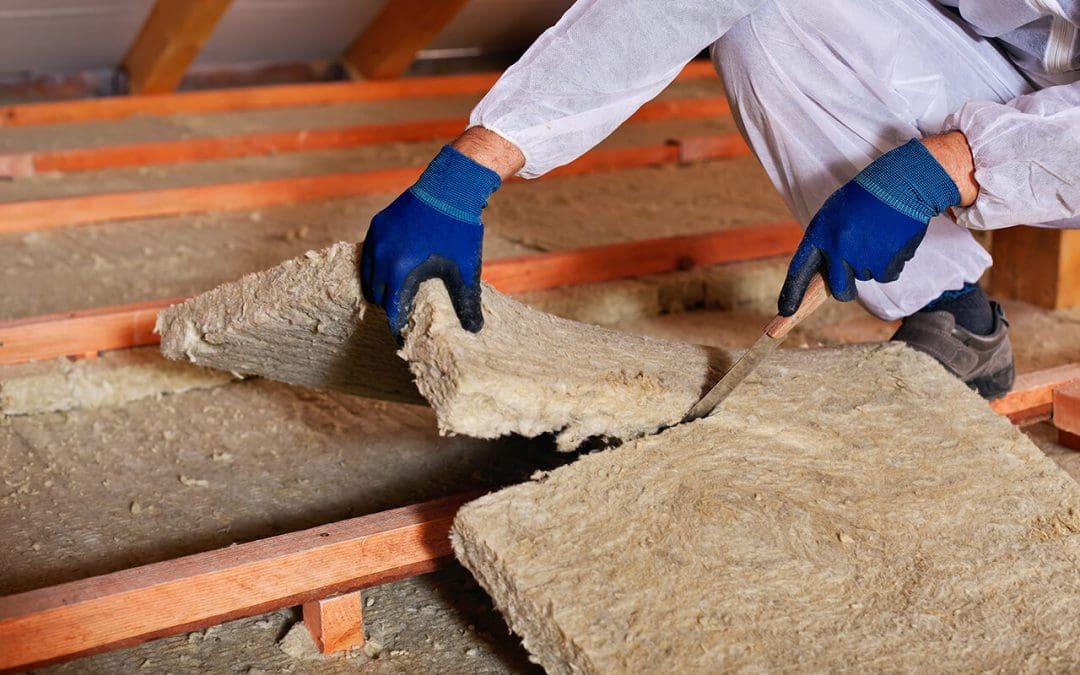
Some of the most critical components of a high-performing house are the ones you can’t see. Understanding the home insulation needs of your property is fundamental to creating a comfortable, cost-effective living space. While it might not be as glamorous as a bathroom remodel, a well-insulated building envelope acts as a thermal barrier, keeping your conditioned air inside where it belongs. Investing in quality home insulation is one of the few upgrades that pays for itself over time through significantly lower utility bills and reduced strain on your HVAC system. By prioritizing this invisible shield, you are not just saving money; you are enhancing the structural integrity and environmental footprint of your entire household.
Home Insulation Thermal Barrier Benefits
The primary role of a thermal barrier is to resist the natural flow of heat, which always seeks to move from a warm space to a cooler one. During the sweltering summer months, home insulation prevents the outdoor heat from radiating through your attic and walls into your living room. Conversely, in the winter, it keeps the warmth generated by your furnace from escaping into the cold. This resistance is measured by the “R-value,” which indicates how effectively a material blocks heat transfer. A house with inadequate protection forces the heating and cooling systems to run almost constantly to maintain a steady temperature, leading to excessive wear and tear. By ensuring your attic, crawl space, and exterior walls have the correct R-value for your specific climate, you create a more stable and predictable indoor environment.
Sound Dampening and Acoustic Comfort
Beyond the obvious temperature benefits, many homeowners are surprised to learn that home insulation serves as a powerful acoustic buffer. High-density materials, such as mineral wool or spray foam, are excellent at absorbing sound waves before they can travel through your walls and floors. This is particularly valuable if you live near a busy street, an airport, or even if you just want to dampen the sound of a television in the next room. Proper installation creates a quieter, more serene atmosphere by reducing the “echo” effect often found in large open spaces. When you view your insulation as a tool for both thermal and acoustic comfort, it becomes clear that this upgrade touches every aspect of your daily quality of life.
Moisture Control Through Proper Home Insulation
A common misconception is that insulation is only about air temperature, but it plays a vital role in managing the moisture levels within your home’s structure. When warm, moist air from your living space hits a cold surface inside a wall, it may condense into liquid water, leading to mold growth and wood rot. Modern home insulation techniques often include vapor barriers or utilize closed-cell foam that resists moisture penetration. By preventing condensation in the “hidden” areas of your home, you protect your family’s health and the longevity of your framing. This moisture management is essential for preventing hidden decay.
Boosting Resale Value and Environmental Impact
In an era where energy efficiency is a top priority for buyers, having a documented history of high-quality home insulation could be a major selling point. Prospective homeowners are increasingly savvy about long-term operating costs, and a house that is cheap to heat and cool is far more attractive than one with drafty rooms and high bills. Furthermore, reducing your energy consumption is one of the most impactful ways to lower your carbon footprint. Because the majority of household energy is dedicated to climate control, a properly insulated home requires less grid power, which in turn reduces demand on power plants. Choosing to upgrade your insulation is a win-win scenario that benefits your personal finances today and the environment for generations to come.
Frequently Asked Questions (FAQs)
How do I know if my home needs more insulation?
If you notice large temperature fluctuations from one room to another, or if your walls feel cold to the touch in winter, you likely have gaps in your thermal barrier. Another common sign is the presence of “ice dams” on your roof during the winter, which occurs when heat escapes through the attic and melts the snow, causing it to refreeze at the eaves.
What is the best type of insulation for an existing home?
The best material often depends on where it is being installed. For attics, blown-in cellulose or fiberglass is a cost-effective and efficient choice because it can fill every nook and cranny. For finished walls, “dense-pack” cellulose can be injected through small holes to avoid a full teardown. If you are doing a major renovation or building an addition, spray foam is often considered the gold standard because it provides both a high R-value and a built-in air seal.
Can I install insulation myself?
While some tasks, like installing fiberglass batts in an open attic, can be DIY projects, many types of insulation require professional equipment and expertise. Blown-in materials require specialized machines, and spray foam involves a chemical reaction that must be carefully managed to ensure safety and effectiveness.
How long does home insulation typically last?
Most insulation materials are designed to last for several decades.
A Plus Inspections of Texas provides home inspections in Conroe, TX, and surrounding areas. Contact us to schedule an appointment.